
"historical stories"
500 article(s) found
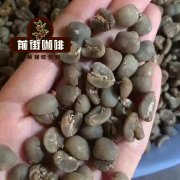
Auction is the main means of coffee trading in Kenya | introduction to the historical development story of Kenyan coffee beans by NCE
Auctions may be one of the most complex and inefficient ways to complete a coffee transaction. But he was one of the first methods used in the coffee trade. Today, it is still the main method of buying coffee from countries such as Kenya and Tanzania and plays an important role in promoting high-quality microbatches. In the best case, it can also be used as a way to find excellent bakers and producers.
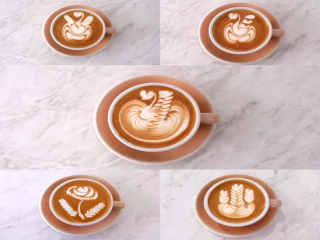
The Historical Origin of Coffee drawing Story the development and change of latte flower drawing art
Coffee shop produces milk-based espresso, pull flowers are often standard, simple love, leaves, complex can also see animals, cartoon patterns. In some coffee competitions, pulling flowers is a necessary professional skill for baristas, and all kinds of exquisite patterns are not to mention. So who developed such splendor in the first place?

Introduction to the Flavor characteristics of the Historical stories of Coffee planting in Coban Koban Rain Forest in Guatemala Coffee producing area
For more information on coffee beans, please follow the Coffee Workshop (official Wechat account cafe_style) in 1750, Father Jesuit introduced coffee trees to Guatemala, where the coffee industry was developed by German colonization at the end of the 19th century. Today, most of the coffee industry's production takes place in the south of the country. Here it is, Sierra Madr

The Origin and Development of English Black Tea drinking the Historical Story of English Black Tea caused by the War caused by Tea
The British fell in love with tea in the 17th century, when the British were introduced into England from China. At first, tea was just an upper-class thing, because it was expensive and not easy to buy. But by the 18th century, people from all walks of life in England were drinking tea, and drinking a lot. Of course, they have to import from China.

Guatemala coffee beans cultivation production process Inkert estate coffee washing processing and historical stories
Jess Aguirre Panam was the first owner of Inchert Farm and today the farm is managed by the third and fourth generations of the Aguirre family who have been working on the farm since 1956, when production was around three hundred (300) bags of parchment coffee. Now, they work with a great team and shoulder the same mission, producing fine coffee; keeping the ring on.

Characteristics and flavors of three main coffee bean producing areas describe the historical story of the spread of coffee bean varieties
Description of Flavor and Flavor of Coffee beans in three producing areas Coffee in Yunnan was planted on a large scale in the mid-1950s, with a scale of 4000 hectares. By the end of 1997, the planting area of coffee in the province had reached 7800 hectares. At present, the planting area of the province accounts for 70% of the national area, and the output accounts for 83% of the country's total. Whether in terms of planting area and coffee bean production, Yunnan Province

What kind of Himalayan black tea do you have? Historical stories and Flavor characteristics of Black Tea planting and production in Kangra producing area of Kanagra
For a long time, the Himalayas have been a source of inspiration, purity, rejuvenation, etc. These majestic mountains do change many people who come here every year. Dharamsala, home to India's peace seekers, also boasts of being the home of the Dalai Lama. The little-known truth about the Himalayas

Introduction to the Flavor characteristics of Historical stories about the cultivation of Coffee in Chiapas Chiapas in Mexico
Professional coffee knowledge exchange more coffee bean information please follow the coffee workshop (Wechat official account cafe_style) Mexico is one of the largest producers of organic certified coffee, because of geographical factors, mostly sold to the United States. The country's coffee industry, which began in the 19th century and was introduced through Jamaica, is mainly planted with Arabica varieties, near So in Guatemala on the Pacific coast.

The Historical Development of Burundian Coffee Bean Industry the Progress of Coffee Farmers and the Story of Excellence Cup
The competition will increase fame for a short time and bring about a new wave and rapid development and progress in the industry. No, in addition to the spiritual impact, there are substantial economic changes. For example, the excellent Cup held in Burundi in 2012 not only changed the fate of award-winning farmers, but also enhanced the status of Burundian coffee in the world. Held for the first time since 1999
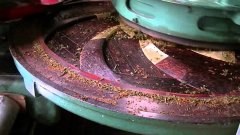
Assam tea production process | what does rolling oxidation mean? The Historical Story of Rolling Machine
Jackson's innovation and many subsequent related innovations stand out in two aspects: first, they are not automated; second, the process they created has had a great impact. Jackson's contribution was to greatly improve the critical rolling stage in black tea production. This stage is after the tea is picked and withered. Suitable ductility, moisture and blade structure can be obtained by rolling.

Historical Story of the Development of Paradise Manor on the Plateau and Coffee Bean species in the Coffee Nayarit Coffee region of Mexico
For more information on coffee beans, please follow the coffee workshop (Wechat official account cafe_style) Mexican coffee is said to have been transplanted to Mexico from the West Indies by a Spaniard in the late 18th century. The excellent Mexican coffee has a comfortable taste, mellow taste, moderate acidity, mild and meticulous, and pleasant aroma. Mexico has 12 major production

Historical stories of Brazilian Coffee producing areas introduction to the production time of Brazilian Coffee beans
Professional coffee knowledge exchange more coffee bean information please follow the coffee workshop (Wechat official account cafe_style) Brazilian coffee characteristics of Brazilian coffee generally refers to the coffee produced in Brazil. There is a wide variety of Brazilian coffee, the vast majority of which are unwashed and sun-dried, classified according to the name of the state of origin and the port of transport. Brazil has 27 states and 17 states produce coffee, but its
The Historical Origin of Coffee
The word coffee comes from the Greek word Kaweh, which means strength and enthusiasm. Coffee tree is an evergreen shrub of Capsicaceae. Coffee for daily consumption is made of coffee beans combined with a variety of cooking utensils, and coffee beans refer to the fruit of coffee trees. The nuts are baked by a proper baking method. Legends about the origin of coffee vary, but mostly because of its absurdity

The Origin and Historical and Cultural spread of Coffee introduction to the first Cafe in China
The legend of Sheikh Omar is the story recorded by the Islamist Abdarkadi in his Book of Coffee in 1587. The stage of the story is in the Yemeni mountains of the 13th century: in 1258, Sheikh Omar, the chief expelled by his people for crime, was hungry and tired when he wandered to Wassaba, Arabia, far from his hometown of Mocha. when he sat at the root of a tree

Champion recommended Peruvian coffee bean flavor and taste characteristics Peruvian coffee bean output and historical development story
What's so special about the coffee beans that the champions have agreed on? On April 1st, three-time Australian barista champion Hugh Kelly released an ins, praising a coffee bean from Peru. What is so special about coffee in this country? Today, let Qianjie lead us to get to know Peruvian coffee again. The Peruvian Andes grow high-altitude coffee.

How many types of tea are there in Tieguanyin tea? The historical legends and stories of Tieguanyin and the characteristics of its taste and aroma
What is Tieguanyin? Tieguanyin tea is a kind of oolong tea made in China. This oolong tea is tightly rolled, has a bright floral aroma and a sweet aftertaste, and can last for a few minutes. This kind of tea is made from a special variety of tea trees. The variety is characterized by peach leaves with a sloping tip and a pink center. Tieguanyin History Tieguanyin

Panamanian Rose Summer Coffee Father Finca Don Pachi Tang Page Manor Historical Story Information material
Professional coffee knowledge exchange more coffee bean information please follow the coffee workshop (Wechat official account cafe_style) 1963 Panama Coffee Manor-Don Page Manor (Finca Don Pachi) first generation founder Mr. Francisco Serracin brought the geisha (Geisha) breed from Costa Rica and began to grow coffee in the Poquet producing area (Boquete), old owner Pa

Brazil Coffee production area Minas Minas / Minas Coffee cultivation Historical Story flavor characteristics
Professional coffee knowledge exchange more coffee bean information please follow the coffee workshop (Wechat official account cafe_style) Brazil is the largest coffee producer and exporter, accounting for 1 / 3 of the world's total coffee output. It has received extreme attention from the market every year during the period from flowering to harvest. In recent years, sophisticated and advanced processing technology has promoted Brazilian coffee to the list of fine coffee with a variety of varieties.

A Historical Story letter from Helsar de Zarcero Yersalo Manor, Orange County, Naranjo, Costa Rica
Professional coffee knowledge exchange more coffee bean information please follow the coffee workshop (Wechat official account cafe_style) Costa Rica's famous Helsar de Zarcero processing plant, established in 2004, has been repeatedly recognized by cup of excellence, is a world-renowned processing plant. Operator Seor Prez Barrantes is in the west.

Flavor characteristics of Historical stories about the cultivation of Gigante Higante Coffee in Ecuador
For more information on coffee beans, please follow the coffee workshop (official Wechat account cafe_style) between Colombia and Peru, Ecuador, which passes through the equator, is one of the few countries in South America that produces both Arabica and robusta coffee. In fact, Ecuador means the Spanish equator. Due to the use of old-fashioned traditional collection